The Tortoise Time Newsletter

Stay strong. Keep doing what you love.

Practical, physician-led guidance for your 50s, 60s, and beyond. Make sense of your fitness, build everyday strength, and find habits that fit your life.

One useful idea each week. No hype. Sources included.

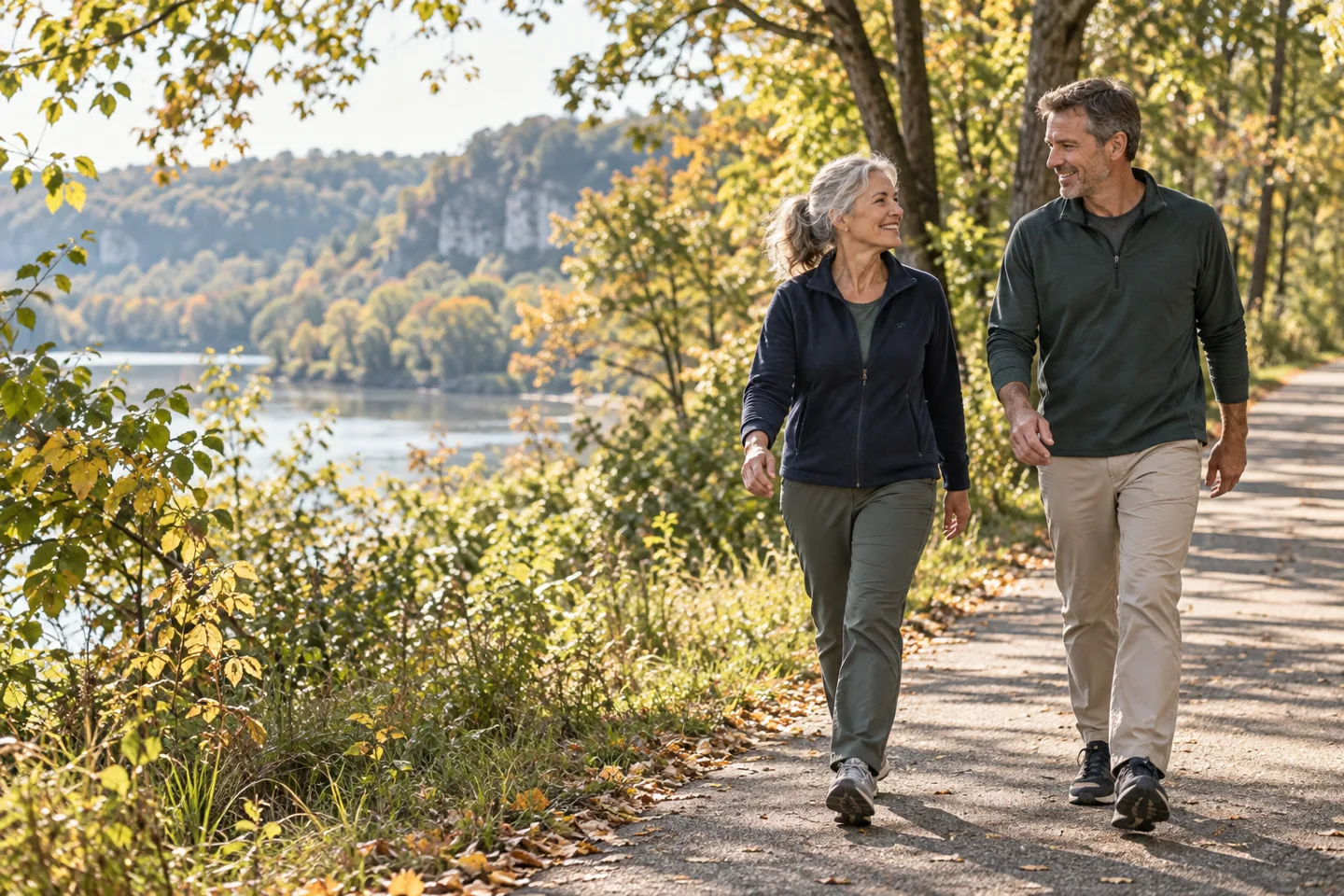
Two adults walking together on a tree-lined path

New here?

Choose what is useful to you today.

A small idea each week

Get a short email on fitness, strength, and staying active. Read it at your own pace.

Explore the free newsletter →

Understand your starting point

Explore walking and strength tests, with clear instructions and safety advice.

Choose a fitness test →

Make sense of the evidence

Find plain-language explanations, with the research available when you want more detail.

Browse the articles →

You do not need to do everything. Start with one useful step.

Progress you can keep.

A useful baseline makes it easier to choose where to focus. A repeat measurement helps you see what changed.

There is no perfect score to chase. Walk, build strength, recover, and return to the same test under similar conditions when you are ready. Your trend can tell a more useful story than a single result.

  • Measure
  • Move
  • Build strength
  • Repeat

Measure what matters

Choose a field test that fits your setting and equipment. Each gives you a different view of physical function; none is a diagnosis or a complete picture of your health.

One-mile walking test

Estimates walking fitness (VO₂ max)

Use a brisk one-mile walk, finishing heart rate, and a published equation to estimate aerobic fitness. This is an estimate, not a laboratory measurement.

  • A measured mile
  • A timer
  • Heart-rate reading
Read test instructions: VO₂ Max / Rockport Walk Test

Grip strength

kilograms

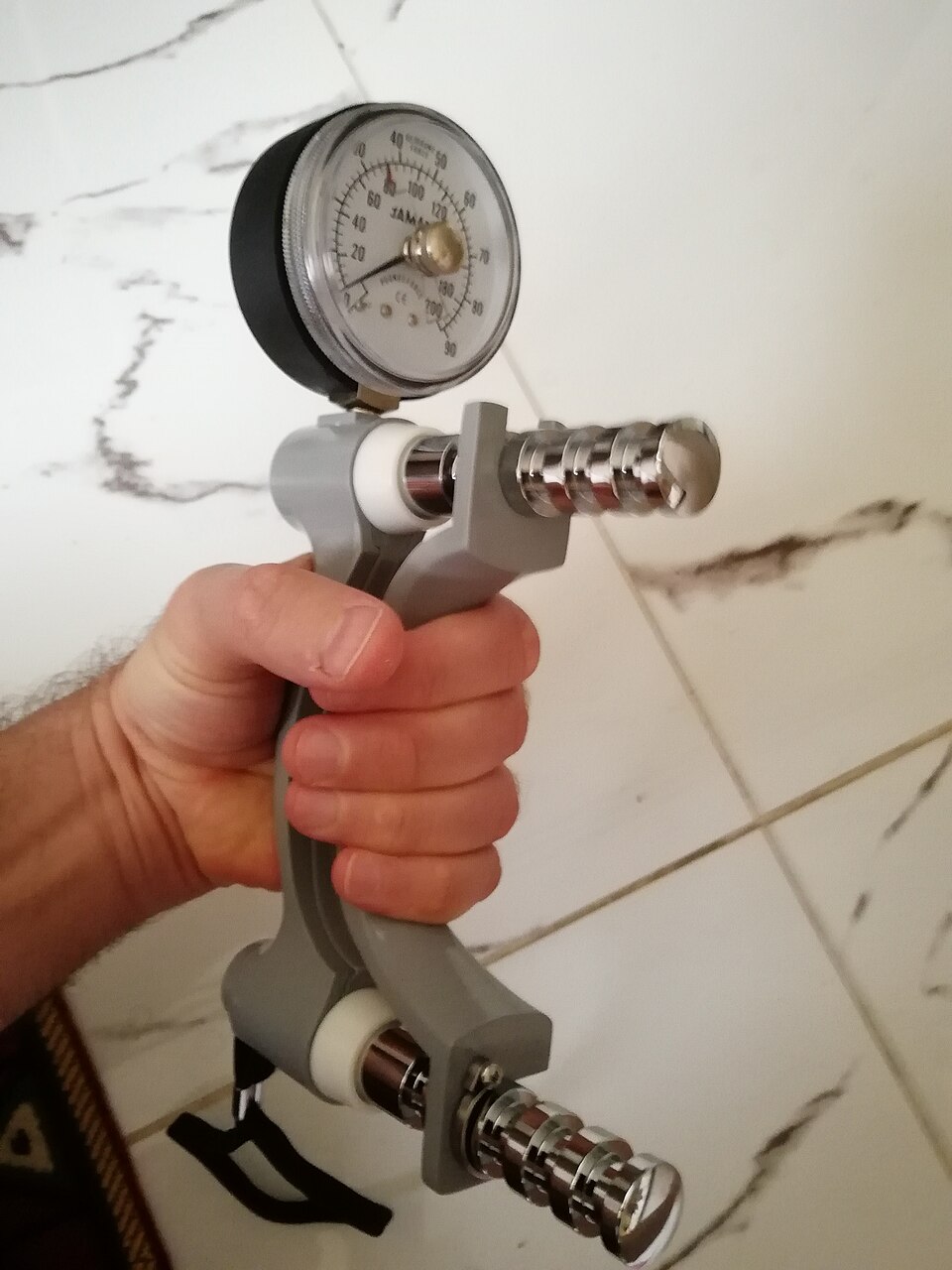
Measure the force of your hand squeeze with a dynamometer. Grip strength is a useful marker of muscle function.

  • 2 minutes
  • Hand dynamometer
  • Both hands
Read test instructions: Grip Strength

Chair stand

stands or seconds

Count your stands in 30 seconds or time five stands. The two versions offer a practical look at lower-body function.

  • 30 seconds
  • Sturdy chair
  • A timer
Read test instructions: Chair Stand Test
Close-up of a hand gripping a Jamar hydraulic dynamometer, with its handle and round force gauge visible.

Experimental

Fitness Meter

See your walking estimate and grip strength side by side, alongside an experimental combined score. Use it to explore your results, not to make medical decisions.

Try the Fitness Meter

View results saved on this device

Start with one useful measurement

A first result is a starting point. These three steps help turn a test into a habit you can revisit.

  1. Choose a test

    Pick a walk or strength test you can do safely, and follow its instructions. Check what equipment and space you need before you begin.

  2. Save your baseline

    Record the result and date. Results saved on this site stay on your device, so you can return to them later.

  3. Build, then repeat

    Choose a manageable movement or strength routine. Repeat the same test in similar conditions to understand your own trend.

Explore all assessments

The evidence

Why measure fitness and strength?

Large observational studies link higher aerobic fitness and stronger grip with better long-term health outcomes. A field test cannot predict an individual's future, but it can help make physical function visible.

In a study of 122,007 patients who completed treadmill testing, higher measured fitness was associated with lower mortality during follow-up. In the PURE study, lower grip strength was associated with higher mortality across a large international cohort. These associations do not prove that improving a particular test score will change an individual's risk.

Read the plain-language explanation of the evidence.
The Tortoise approach

Six principles that guide every tool and article on this site.

  • Move every day

    Daily movement, even a walk around the block, matters more than the occasional heroic workout.

  • Build fitness gradually

    Cardiovascular fitness grows with steady, progressive effort. Small increases, repeated, add up.

  • Preserve strength and mobility

    Muscle and range of motion are easier to keep than to rebuild. Strength work belongs in every decade of life.

  • Track meaningful measures

    Walking distance, grip, chair stands and VO₂ max tell you more about function than the bathroom scale alone.

  • Consistency over perfection

    A missed day is not a failed plan. What counts is what you do most weeks, for most years.

  • Think in decades

    Judge progress in years, not weeks. The goal is the version of you at eighty, still doing what you love.

Join the VO₂ Max Challenge

A group challenge to raise cardiovascular fitness together, with a shared dashboard to follow progress over time.

Physician-led and evidence-informed

Created by Bernard Aoun, MD, a physician working in primary care and geriatrics.

The field tests draw on published methods, with their limits explained alongside each tool. The Fitness Meter is experimental. Articles link to their sources, and no number on this site is a diagnosis.

Read about the physician behind Tortoise Time
References
  1. Mandsager K, et al. Association of cardiorespiratory fitness with long-term mortality among adults undergoing exercise treadmill testing. JAMA Netw Open. 2018;1(6):e183605. PubMed.
  2. Leong DP, et al. Prognostic value of grip strength: findings from the Prospective Urban Rural Epidemiology (PURE) study. Lancet. 2015;386(9990):266–273. PubMed.
Grip photograph credit

Equipment photograph by Ashashyou, via Wikimedia Commons. CC0 public-domain dedication. Display resized; no device or hand features have been generated or altered. This close-up illustrates the equipment, not the full testing posture.