Evidence, translated for everyday life
Learn
Clear explanations to help you make sense of fitness, strength, and healthy ageing. Start with a question, or browse the article library by topic.
Article library
Explore the evidence
Choose a topic or browse all 17 articles.
-
FeaturedLongevity Science
Fitness and strength: the two vital signs most checkups miss
Your blood pressure gets checked at every visit. Two of the strongest signals of how well you will age usually do not. Here is what the research shows, in plain language.
-
Cardiovascular Fitness
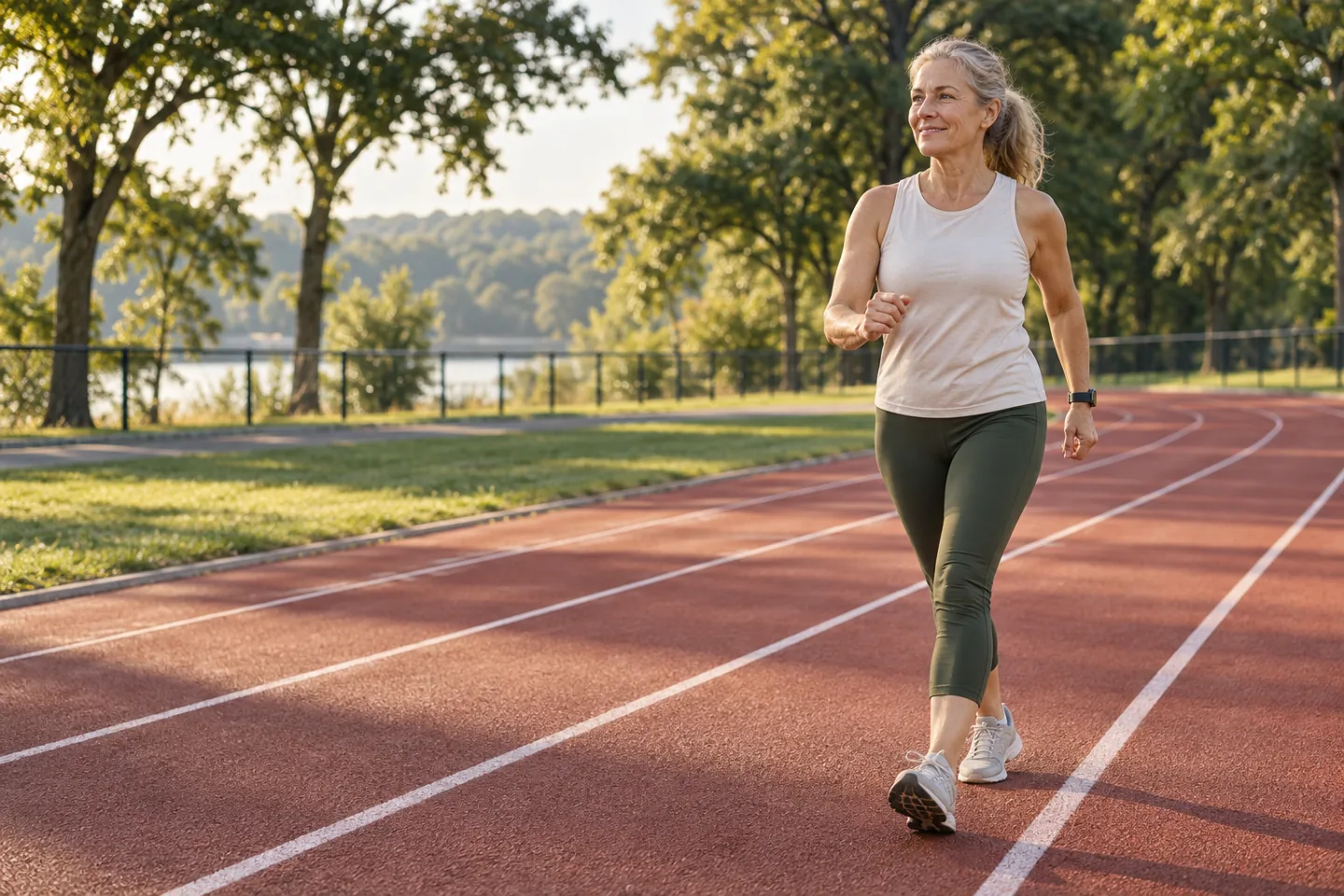
Cardiovascular fitness, by the numbers
Clear, sourced figures explain what fitness studies measured, what walking can change, and how to interpret your own result.
-
Cardiovascular Fitness
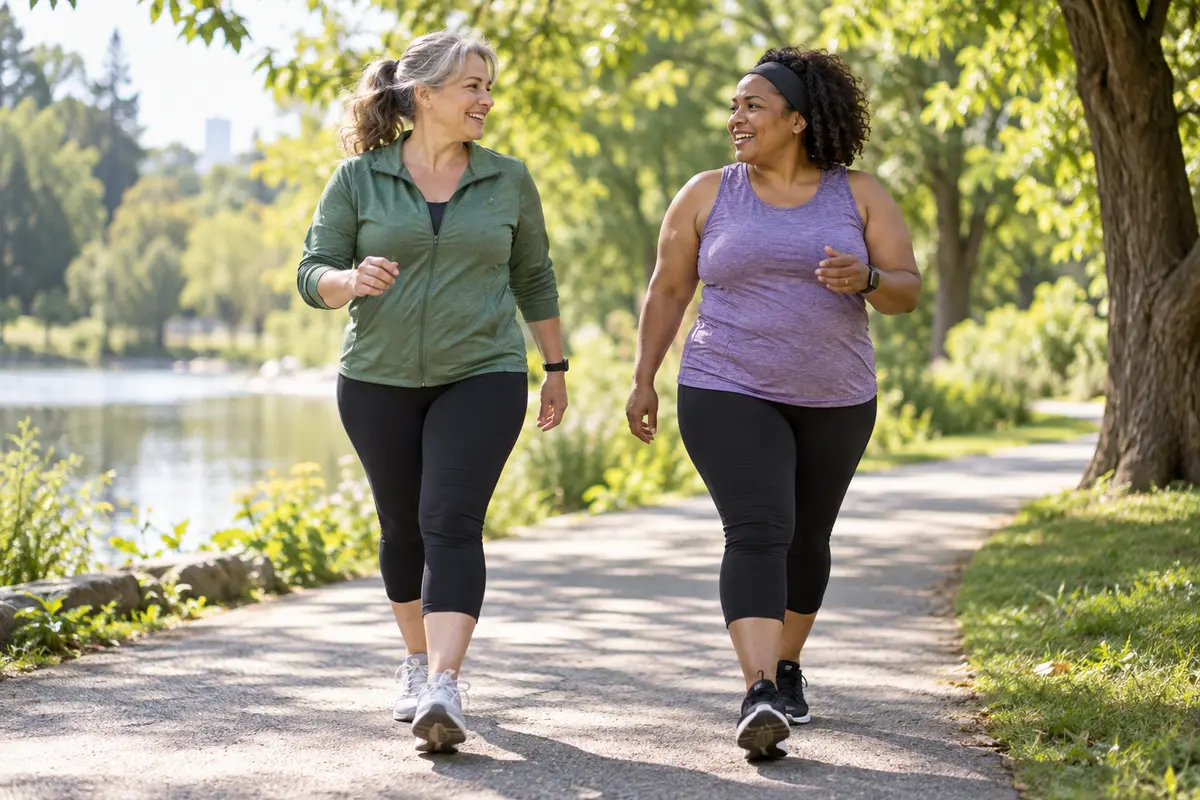
Fit and heavier, or thin and unfit? What matters more for long life
A 2024 review of nearly 400,000 people found that fitness predicted survival far better than body weight. Here’s what that means for you.
-
Walking
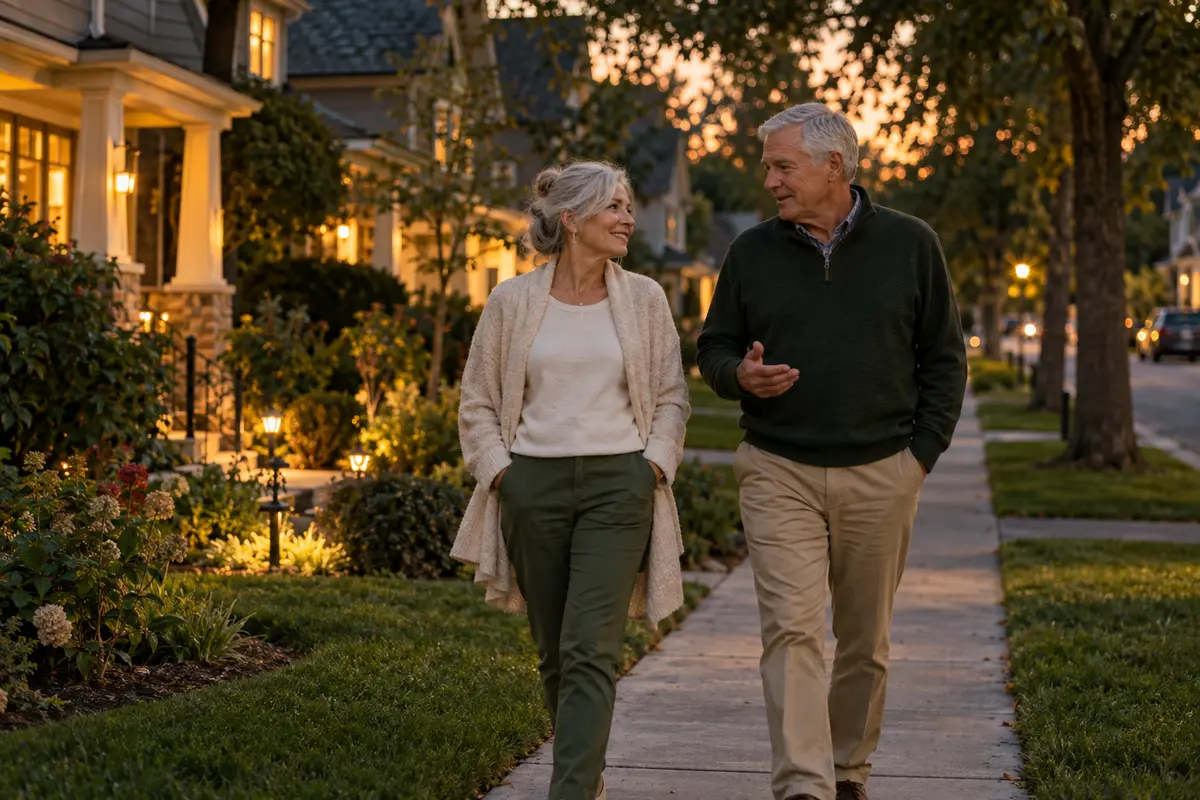
The after-dinner stroll: small walks, big effect on blood sugar
A few minutes of light walking after eating blunts the spike in blood sugar. It may be the easiest healthy habit there is.
-
Strength
Protein and muscle: what older adults need to know
Strength training builds muscle, but muscle needs building blocks. Here’s how much protein the research suggests, and why it matters more as we age.

-
Healthy Aging
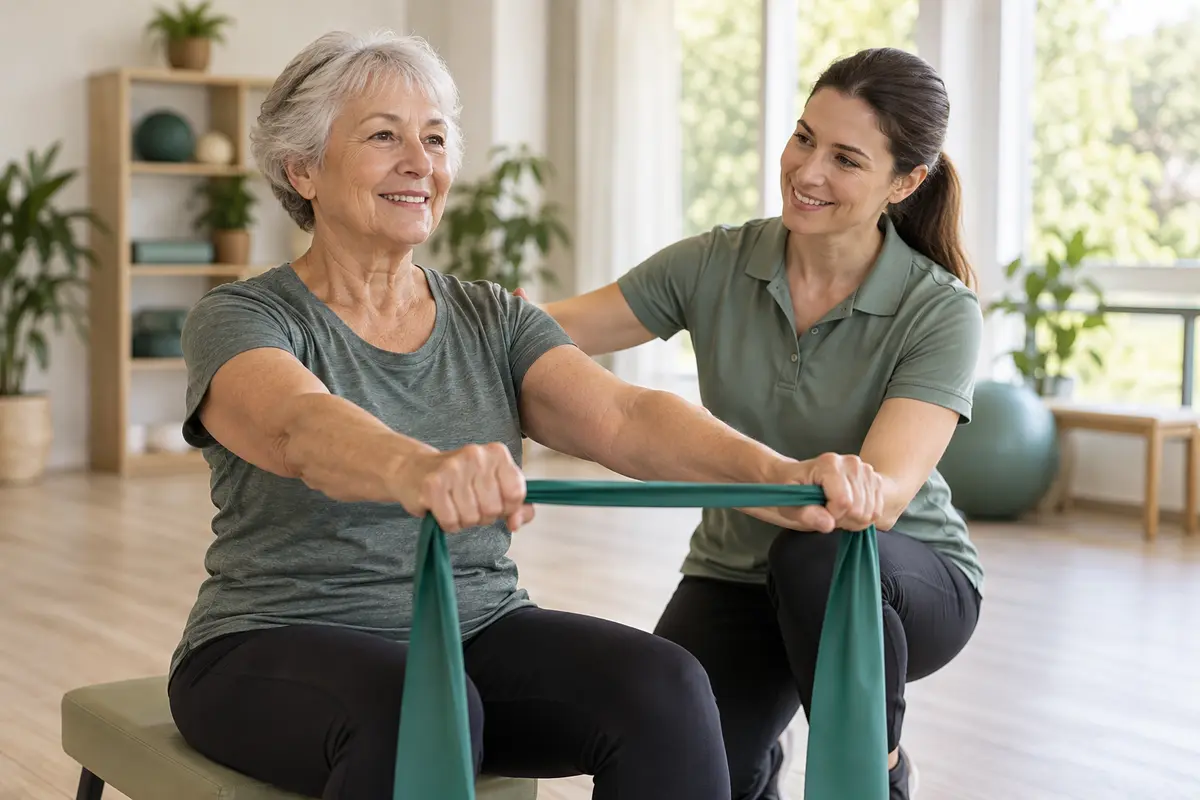
Frailty is not inevitable: what a major European trial found
In the SPRINTT trial, older adults with weak muscles who exercised regularly were less likely to lose the ability to walk. Here’s what the program looked like.
-
Mobility
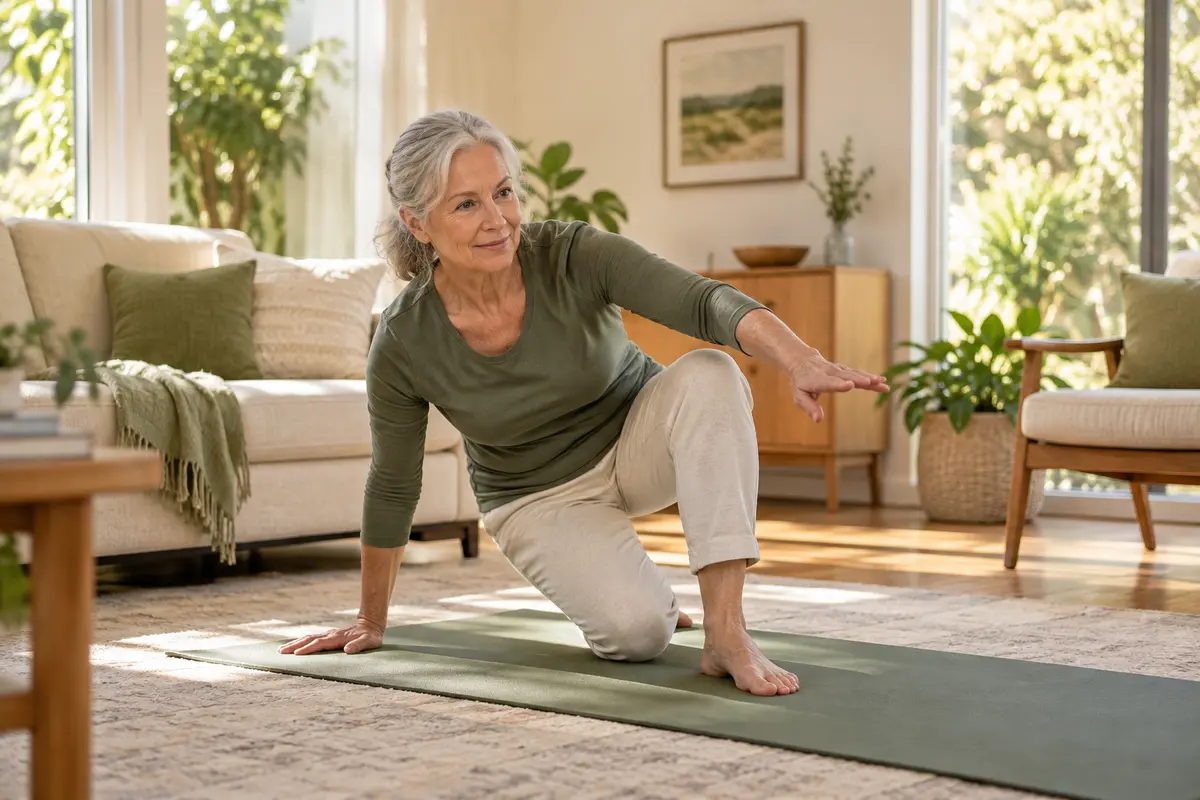
Can you get down to the floor and back up without your hands?
The sitting-rising test checks strength, balance and flexibility in one move. A 2025 study found it predicted survival over 12 years.
-
Prevention
Exercise and cancer: 13 cancers linked to lower risk
In 1.44 million adults, the most active people had lower risk of 13 different cancers. Here’s the full list, and the two surprises.
-
Longevity Science
Healthspan: adding life to your years, not just years to your life
Americans now spend an average of 12.4 years in poor health at the end of life. Five everyday habits are linked with a decade or more of extra healthy years.
-
Walking
How many steps a day do you really need?
Forget the magic 10,000. The largest study of step counts yet points to a friendlier target, and shows that every extra thousand steps helps.
-
Strength
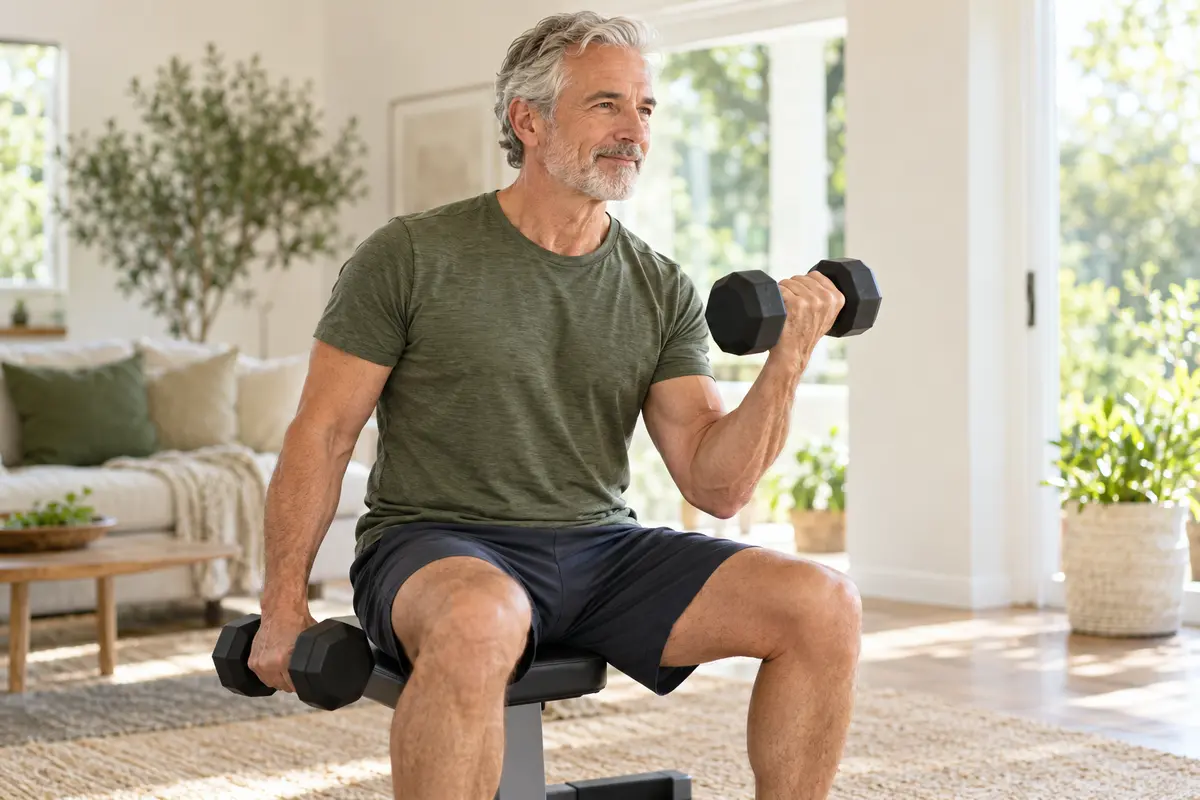
Strength training: the hour a week that pays off
You don’t need to live at the gym. Research suggests 30 to 60 minutes of muscle-strengthening a week brings most of the benefit, and it works at any age.
-
Healthy Aging
Never too late, never too short: the new science of staying active
Started late? Only have a minute? Squeeze it all into the weekend? The latest research says all of it counts.
-
Mobility
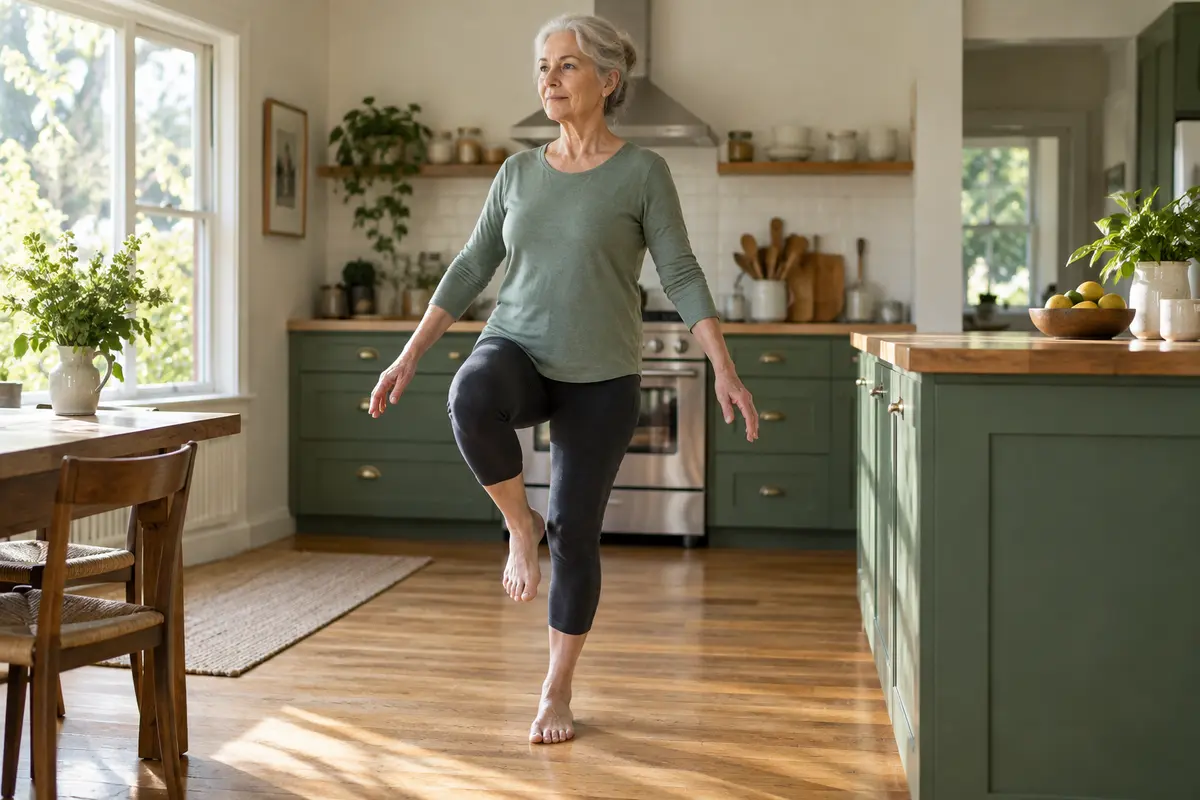
Can you stand on one leg for 10 seconds?
A simple balance test turns out to say a lot about health after 50, and balance is one of the easiest abilities to train.
-
Prevention
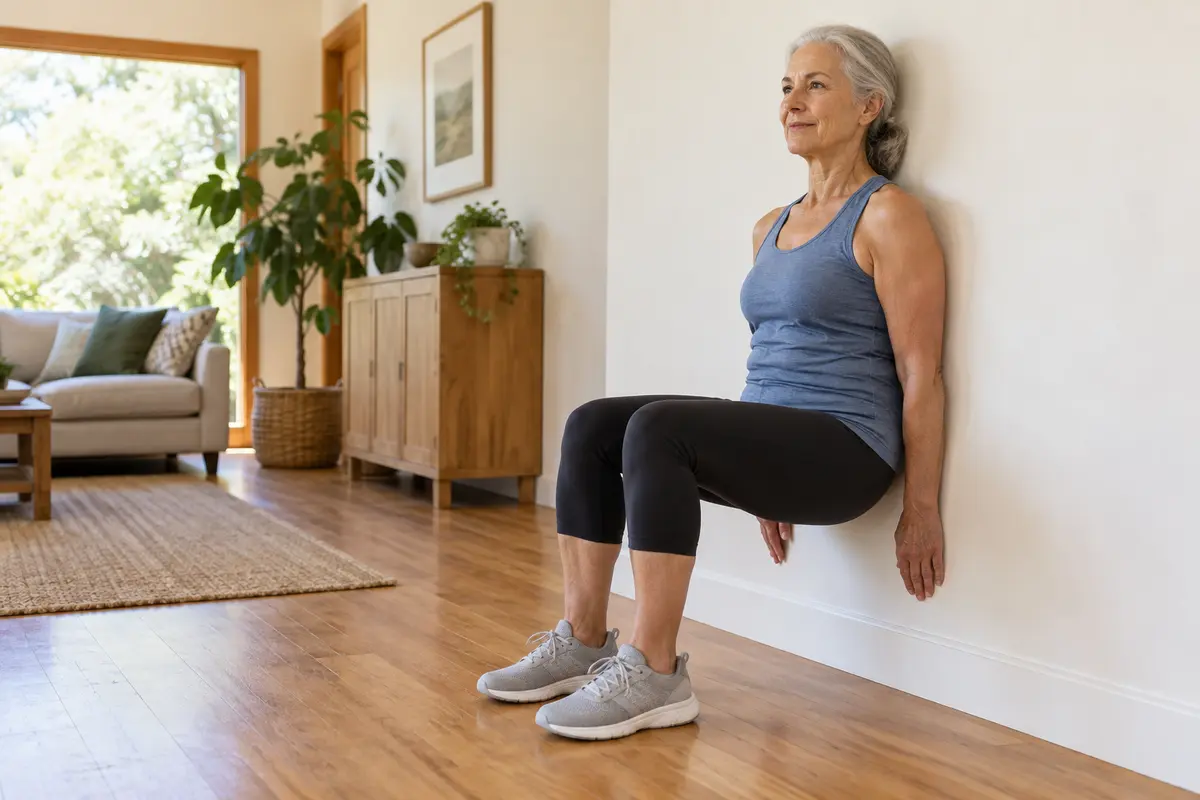
The wall sit: blood pressure’s surprise champion
A review of 270 trials found that ‘holding still’ exercises like the wall sit lowered blood pressure more than any other type of exercise.
-
Clinical Research
How to read a health headline (without a PhD)
“Walking cuts your risk of death in half!” Here is how to tell what a study really shows, using real examples from exercise science.

-
Strength
Grip strength: a two-minute window into how you are ageing
Why a simple squeeze test predicts so much, what the numbers mean, and what actually improves them.
-
Cardiovascular Fitness
VO₂ max, explained without the hype
What VO₂ max measures, why it is linked with longevity, and how ordinary walking can move it.
No articles in this topic yet. New articles are added regularly; in the meantime, try one of the assessments.
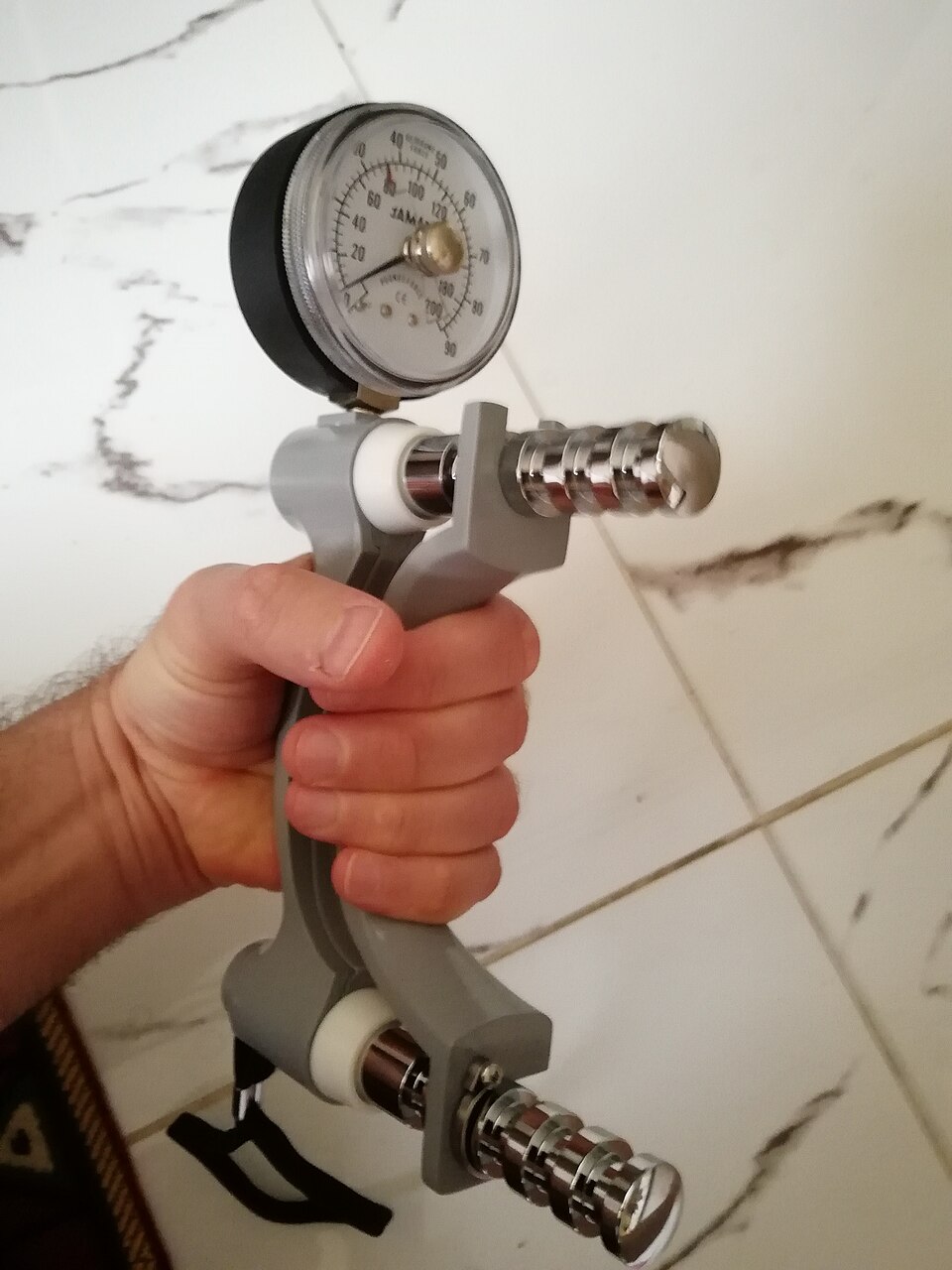
Grip photograph credit
Equipment photograph by Ashashyou, via Wikimedia Commons. CC0 public-domain dedication. Display resized; no device or hand features have been generated or altered. This close-up illustrates the equipment, not the full testing posture.